
Asbestos Blog
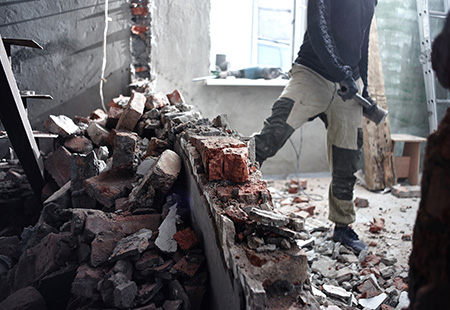
Demolition is a vocation that requires complete accuracy, careful attention to detail, and a large amount of risk assessment. When things go wrong in the demolition field, they can become life-threatening situations at a moment’s notice. However, demolition workers may be unaware of a very important risk factor involved with their work environment: asbestos exposure. [...]Read More...
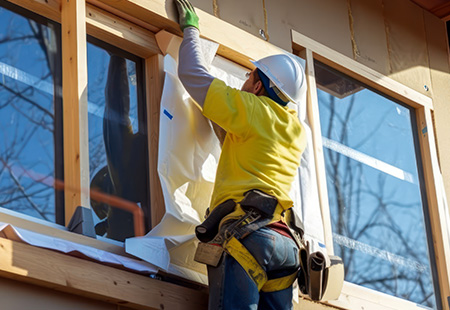
Asbestos has been used for years, being applied to a variety of products in many different industries. Once referred to as a “miracle mineral” and hailed for its heat resistance, ability to withstand electrical charges, and its moldable, durable, reliable structure, asbestos was used primarily in the construction and automotive industries. Because of its widespread [...]Read More...

Asbestos claims are those filed after a person’s health has been directly or indirectly impacted by exposure to the mineral or an individual has lost a loved one due to an asbestos-related illness. There are essentially three types of asbestos claims: personal injury, wrongful death, and trust fund claims. The statute of limitations (the timing [...]Read More...

Asbestos trust funds are one of the best (and the most unknown) options for receiving compensation related to asbestos disease. However, when it comes to the challenges of asbestos exposure and the financial and emotional difficulties that often occur as a result, it is more important than ever to know as much as you can [...]Read More...

Getting compensation for an asbestos-related illness does not always mean that you have to go to court and battle it out. In fact, that is not even the most common way to receive compensation. Here’s what you should know about the advantages of other pathways to receive compensation for diseases related to asbestos exposure, as [...]Read More...

Over the years, asbestos has served a crucial purpose as a commercial product for insulation and fireproofing materials. However, since the start of the commercial production of asbestos in 1879, there have been reports of asbestos-related illnesses. Back in 1899, a man experienced the first occurrence of asbestos-related sickness characterized by “curious bodies” in the [...]Read More...

Understanding your asbestos claim and compensation Asbestos exposure has been linked to various severe health conditions, including mesothelioma, lung cancer, and asbestosis. If you or someone you love has been diagnosed with one of these diseases and suspect it was caused by asbestos exposure at work or elsewhere, filing an asbestos lawsuit may be the [...]Read More...

The Ohio train disaster made headlines in 2019 and is still a viable topic for discussion today. The train accident was a significant incident in that it not only resulted in the unfortunate loss of life, but also, the tragedy caused extensive damage to the local community. ! If you may have been exposed to [...]Read More...

Workers’ compensation claims refer to a claim filed by an employee against the employer for on-the-job asbestos exposure. In the case of asbestos, this claim is filed mainly for compensation for health problems related to exposure. However, workers’ compensation is a complicated minefield, which requires finesse and understanding of the process to navigate properly. For [...]Read More...
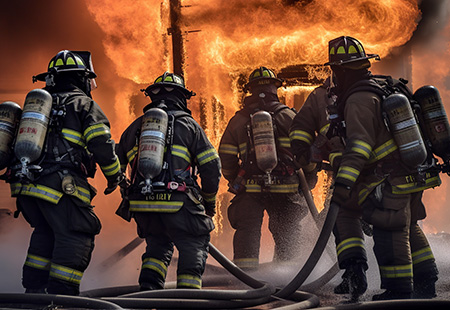
Asbestos is a group of naturally occurring silicate minerals with a fibrous structure composed of microscopic fibers. For sake of simplicity, these minerals are all grouped together under the term ‘asbestos.’ ! If you may have been exposed to asbestos, speak with your healthcare provider about tests and screening to help detect the presence of [...]Read More...

Asbestos is a dangerous, naturally occurring mineral that was once used in just about everything from cement sheets and wall paint to automotive parts and fire-resistant clothes. The mineral is well known for its heat resistance, strength, and resilience. That is one of the key reasons why it took until the mid-1980s for the EPA [...]Read More...

The minimum burden of proof in an asbestos exposure case is only a preponderance of the evidence, or more likely than not. That’s one of the lowest burdens of proof in American law. Note that we said this standard is the “minimum” burden of proof. Usually in life, minimum effort produces minimum results. So, a [...]Read More...