


Asbestos Blog

Examining the laws and regulations surrounding eminent domain and the government’s ability to limit property rights on behalf of the public good. In some cases, yes, the government can prevent property owners from rebuilding after a wildfire. This issue is front and center for many people who owned residential and/or commercial property affected by the [...]Read More...

Learning the age of your home or other structure offers valuable insights into whether it contains potential toxic materials like asbestos, lead, cadmium or arsenic. So many people have lost so much during the 2025 LA wildfires. Accurately determining the age of a structure before renovation or demolition work begins may be the only way [...]Read More...

A tentative Food and Drug Administration rule standardizes the tests used to spot asbestos-talc cross-contamination in pre-market consumer goods, such as baby powder. “For many years the FDA has been sampling and testing talc-containing cosmetics for asbestos as well as working with our federal partners on efforts to reduce consumers’ risk of exposure to asbestos, [...]Read More...
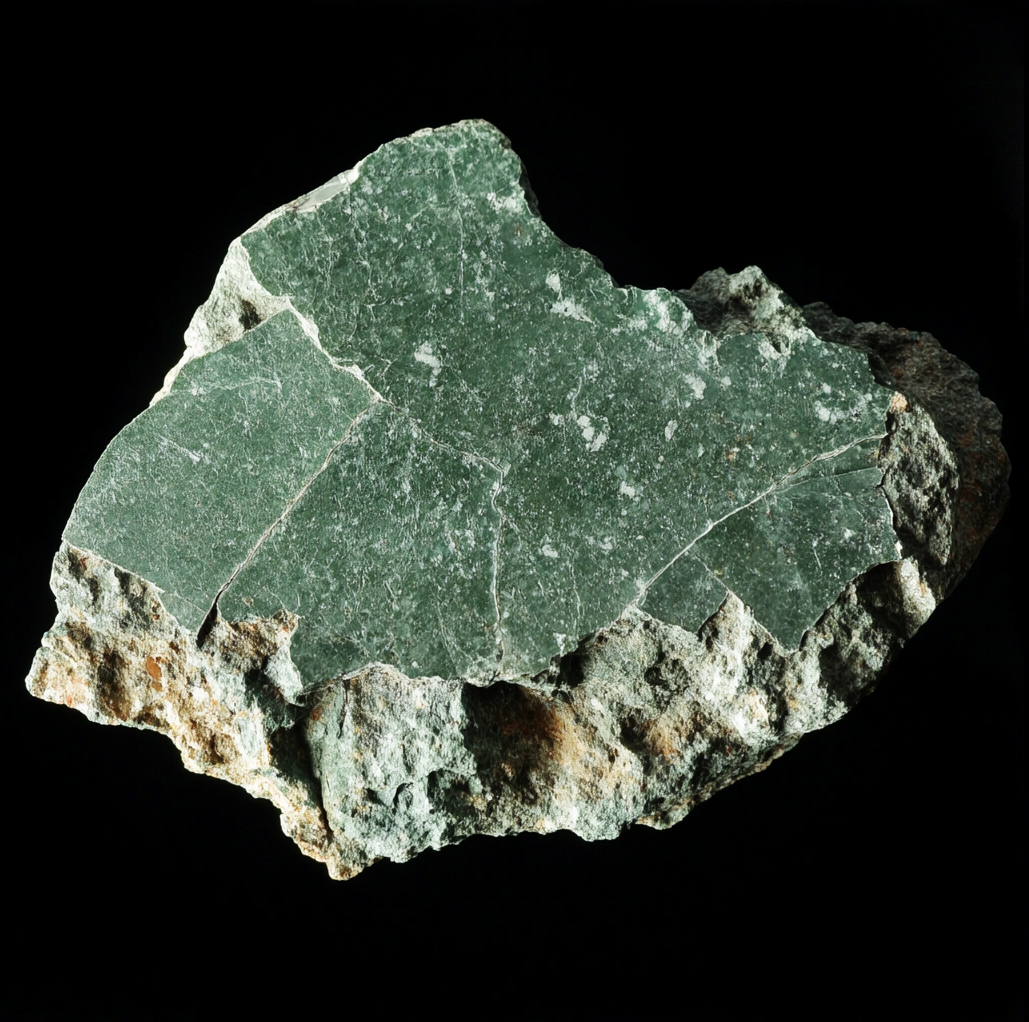
Asbestos, a once widely used material in construction, is now a well-known carcinogen that remains a substantial health threat globally. In New South Wales (NSW), the issue of asbestos contamination has gained increasing attention, with former senior officials of the Environment Protection Authority (EPA) warning about the dangers of mixing asbestos into waste materials during [...]Read More...

Evidence connecting asbestos to thyroid cancer remains limited, but asbestos is a known cause of throat cancer. Asbestos is a naturally occurring group of fibrous minerals known for its fire resistance and insulating properties. However, extensive research has established that asbestos exposure is a significant risk factor for several cancers, particularly lung cancer and mesothelioma. [...]Read More...
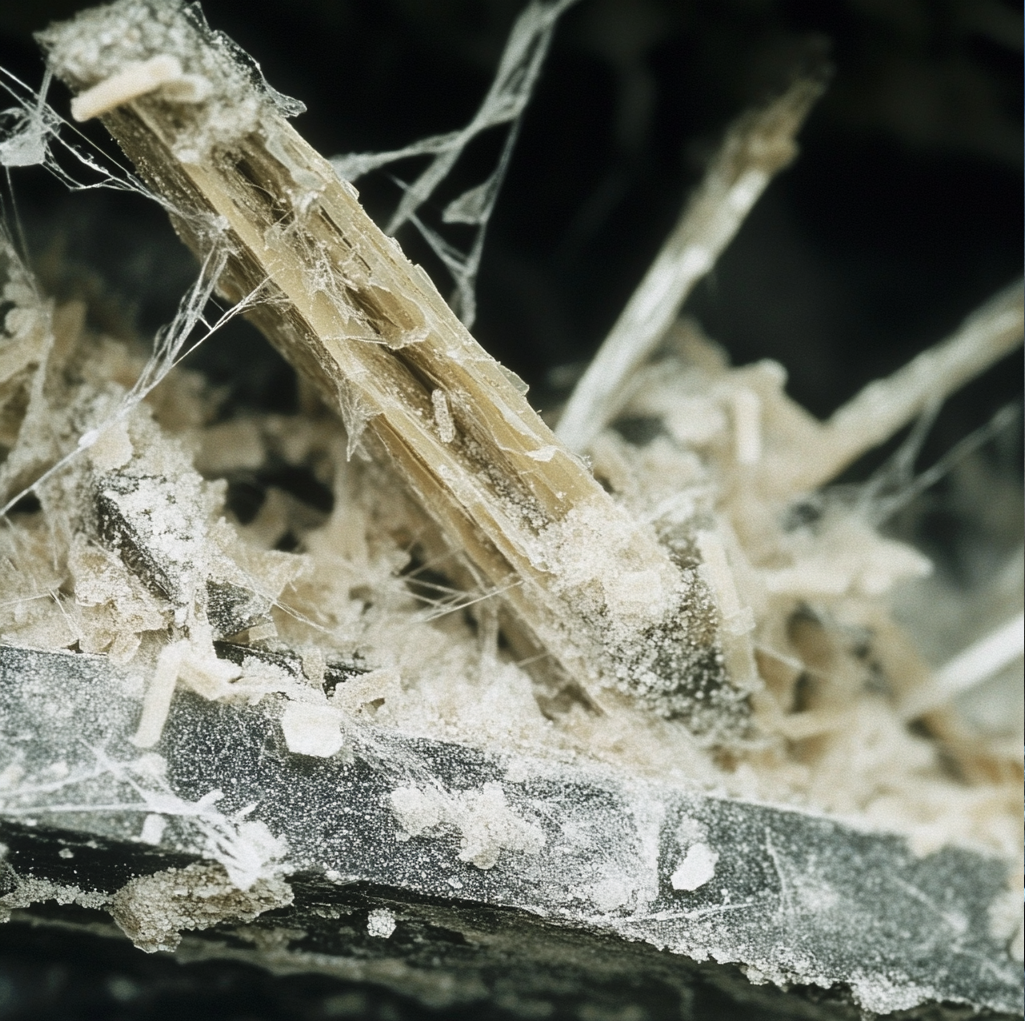
Ongoing research into asbestos-related diseases is uncovering new insights into how and why these conditions develop long after initial exposure. Studies highlight both the resilience of asbestos fibers in the body and the varied ways they can cause harm over time. As findings evolve, they underscore the importance of stricter safety measures and long-term health [...]Read More...

A new study confirms that asbestos exposure is the primary cause of mesothelioma, challenging the role of genetic predisposition as the driver of this deadly disease. Many people, including many judges and jurors, believe that lifestyle choices and/or genetic predisposition always causes cancer. But environmental and occupational cancer is different. Asbestos exposure substantially causes about [...]Read More...

Effectively raising public awareness about fibrous mineral exposure and its long-term health consequences is crucial for disease prevention and informed policy decisions. Asbestos, a group of naturally occurring fibrous minerals, was once sought-after in industry due to its durability, heat resistance, and affordability. Gaining widespread popularity during the Industrial Revolution, the mineral was a staple [...]Read More...

Many older buildings in Los Angeles contain insulation materials that, when disturbed, can contribute to air pollution and respiratory diseases. Safe handling of old insulation is critical to preventing hazardous emissions and ensuring environmental protection during renovations. Insulation is a common component of buildings, designed to improve energy efficiency, regulate temperature, and reduce noise. However, [...]Read More...

An Overview of Challenges, Innovations, and Prognostic Grading Mesothelioma From early detection hurdles to groundbreaking therapies, mesothelioma research continues to evolve in the fight against this aggressive cancer. Mesothelioma is a rare and aggressive cancer, primarily caused by asbestos exposure, that affects the thin lining of internal organs, most commonly the lungs (pleural mesothelioma). Despite [...]Read More...

Exploring the intersection of genetics and mesothelioma helps researchers develop more personalized and effective treatment approaches. Mesothelioma, a rare and devastating form of cancer, primarily affects the protective lining of the lungs, abdomen, or heart. It has long been associated with asbestos exposure, a once sought-after additive in industrial applications that is now a well-known [...]Read More...

A recent review delves into the talc industry’s powerful role in shaping federal regulation and scientific standards surrounding asbestos contamination in talc. The study highlights how industry lobbying has impacted guidelines, often prioritizing business interests over public health. This influence has raised questions about the reliability of current safety standards and the need for more [...]Read More...