
Asbestos Blog

Australian Towns Hosted Asbestos Shoveling Competitions In 1943, Colonial Sugar Refinery (CSR) began mining crocidolite asbestos nearby an Australian township called Wittenoom. Crocidolite asbestos – also known as blue asbestos – is made up of particularly fine, sharp fibers, and is considered to be the most dangerous type of asbestos you can come into contact [...]Read More...

Workers and Others Who Spent Time at the Avondale Shipyard May Have Been Exposed to Harmful Asbestos Many maritime companies have operated out of Louisiana, given its location along the Intracoastal Waterway. Asbestos was once commonly used in the shipbuilding industry, eventually giving rise to many asbestos cases in the state of Louisiana. The history [...]Read More...

What Factors Should be Considered to Determine Cost of Asbestos Testing? The factors that you should consider for pricing Asbestos Testing include: Survey and inspection of the area Type of testing Size of the area tested and quantity of materials tested Other costs What Is Survey And Inspection? In most old buildings built before the [...]Read More...
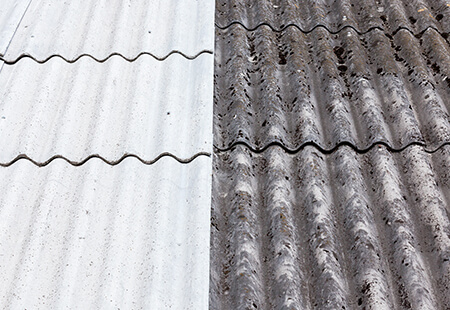
One in Five People With Asbestos Illness Were Not Exposed at Work, They Lived With Someone Who Was People who once worked with asbestos are at the highest risk of developing debilitating asbestos-related diseases. However, other people—people who have never worked in construction, the automotive industry, or mining—could still face danger if they lived with [...]Read More...
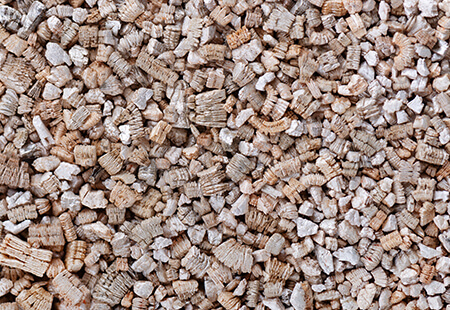
Less than a Decade Ago, Executives at Chemical company WR Grace were Indicted for Concealing Information About Asbestos in the Vermiculite Mines Vermiculite is a mineral that occurs naturally and usually contains no asbestos. It has a shiny, flaky appearance in its natural form, but puffs up and appears duller after being heated. Heating vermiculite [...]Read More...

Short Answer: No. Mesothelioma, like other cancers, is caused by certain, adverse changes to genes, which can erode the body’s ability to repair and respond to genetic damage. Despite mesothelioma’s association with external risk factors, like asbestos exposure, it is not contagious and cannot be passed from one person to another. Mesothelioma is not Contagious, [...]Read More...
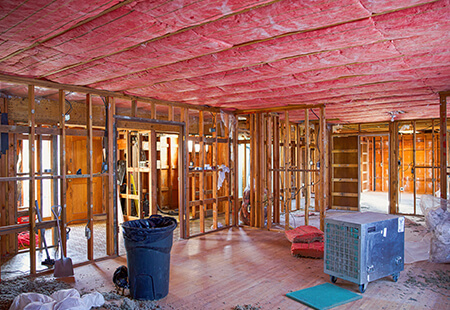
We know today that asbestos is an incredibly toxic mineral, capable of causing illness up to and including cancer. But for decades, construction companies used asbestos-based materials to fortify, reinforce, and fireproof everything from wall paint to insulation. Hazardous Asbestos Is Still With Us in Many Buildings and Products Despite a wide-ranging federal ban on [...]Read More...
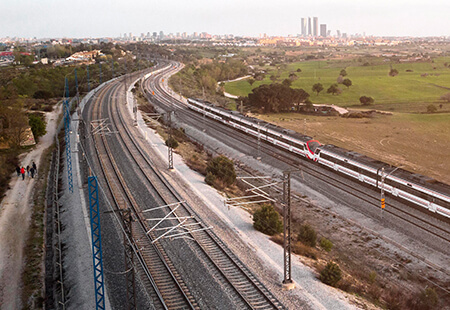
Many people employed in industries that once extensively used asbestos are often at a greater risk of developing a devastating asbestos-related disease. Railroad workers are one such employment group exposed to asbestos, and if you were a railroad worker, it’s a good idea to speak to your healthcare provider about getting screened for asbestos-related illness. [...]Read More...

Short Answer: Possibly, but the connection is still unclear. Health research has shown that asbestos can be a risk factor for digestive diseases like stomach and colorectal cancer. The data is not as conclusive for prostate cancer. However, the issue has not been studied as extensively as the health effects of asbestos exposure on respiratory [...]Read More...
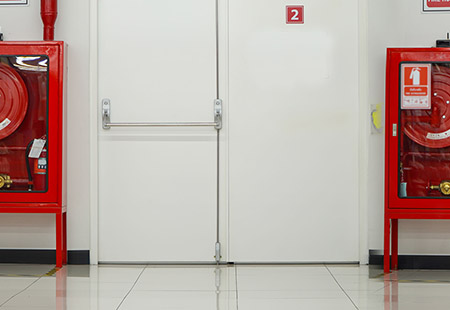
Humans have been using asbestos for thousands of years, utilizing its heat and fire resistance and insulative properties in a wide range of product manufacture. Any building constructed before the 1980s may contain asbestos. The use of asbestos for fire doors became particularly prevalent in the early 20th century, when industrialization brought about a seismic [...]Read More...
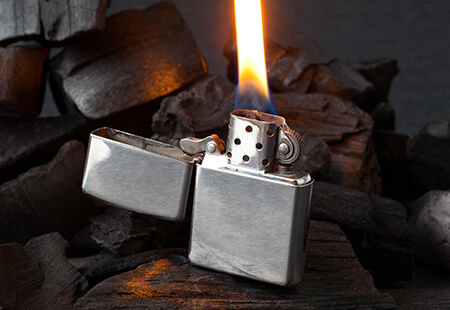
Asbestos fibers are hazardous to human health. It is now well known that the material’s deadly microscopic fibers can be unknowingly inhaled or ingested when airborne, causing lung disease and mesothelioma. But sadly, this was not always the case. Long before the dangers of asbestos exposure were common knowledge, this fire-resistant, hardy and versatile material [...]Read More...
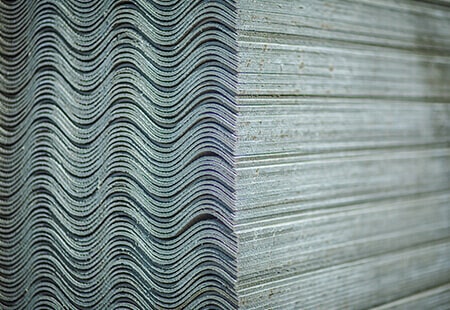
Asbestos is the term used to describe a naturally occurring group of related silicate minerals. They are divided into two main groups, amphibole asbestos, and serpentine asbestos. Amphibole asbestos types feature straight, needle-like fibers, while serpentine asbestos variants have curly fibers. Asbestos fibers are microscopic yet are highly resistant to heat, electricity, and corrosion. Because [...]Read More...