Asbestos Blog

Asbestos has been linked to many critical health conditions, including mesothelioma, cancer, and other lung diseases. However, most asbestos-related illnesses take years to develop. People who have inadvertently inhaled asbestos fibers may notice face any significant short-term term problems. Who is At Risk for Exposure to Asbestos While we know today that asbestos is incredibly [...]Read More...
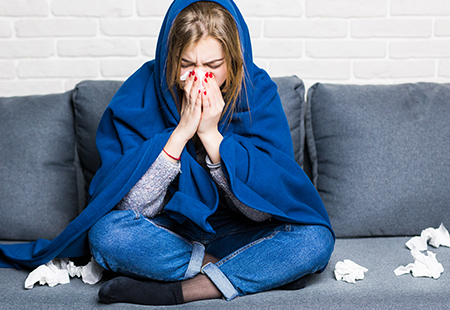
Asbestos fibers can be found in many homes even if you don’t know they’re there. Can asbestos cause sinus problems for you and your family? Learn more now.
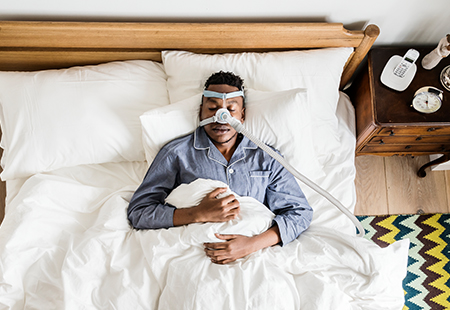
Short Answer: Asbestos exposure does not directly cause sleep apnea. However, asbestos exposure can lead to breathing diseases like asbestosis, and sleep apnea can develop as a secondary condition. “In my experience of over 20 years of seeing patients with asbestos diseases and also in my capacity [as] a sleep physician, I frequently diagnose sleep [...]Read More...
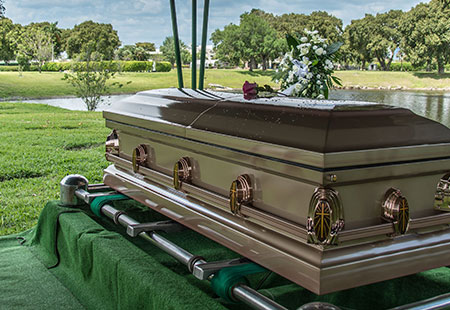
How Is Asbestos Dangerous To You? Asbestos is a dangerous material when damaged as microscopic fibers are released into the air and can be inhaled. When you crush, saw, drill, or otherwise manipulate asbestos material, it can turn into dust. Thus, very small asbestos fibers and dust are dangerous when they are present in the [...]Read More...
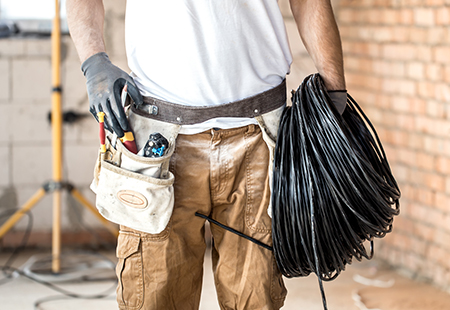
The Dangers of Asbestos Exposure in Electrical Wiring and Components Electricians Should Use Caution and Protective Equipment When Working on Older Homes and Buildings. From the early 1900s right through to the late 1970s, asbestos was commonly used to manufacture a wide range of building materials. With its insulating and fire-proofing qualities, this mineral was [...]Read More...
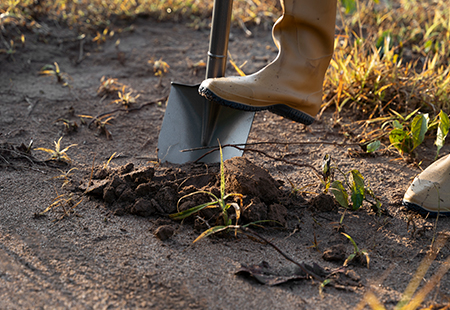
There is no federal law that makes burying asbestos illegal in the United States. If you bury asbestos or asbestos containing material in your garden, it is safe as long as no one disturbs it. Then, when you want to sell your house, your buyer may want you to state in the agreement that there [...]Read More...

Air Force toxic exposure vets have legal options.
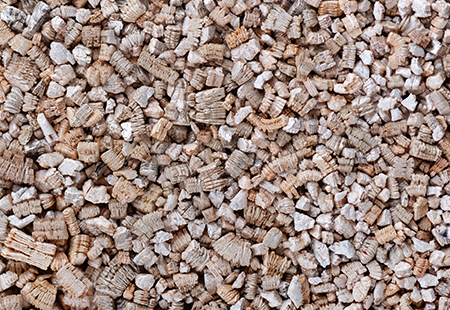
Vermiculite is a mineral that occurs naturally and resembles shiny flakes, like mica. When heated, vermiculite flakes expand to as much as 30 times their original size. Despite becoming so much larger, vermiculite remains lightweight and is an odorless, fire-resistant material used commonly for insulating walls and attics. Does vermiculite contain asbestos? Not necessarily, but [...]Read More...
We know today that asbestos is incredibly dangerous, capable of causing severe respiratory illness, mesothelioma, and a half-dozen different cancers. However, asbestos was once an all-important material in American industry. Renowned for its strength, resiliency, and fire-resistant properties, asbestos was used in the manufacture of everything from automotive parts to wall insulation and vinyl floor [...]Read More...

The Short Answer: Yes (and you probably should too) Property inspections are essential before agreeing to the purchase of real estate. Not only do buyers need to ensure that the house is in sound condition, but they want the assurance that it is safe to inhabit. A home inspector’s checklist is long. They must assess [...]Read More...
Asbestos Is Still In Buildings, Products and the Environment Even though the E.P.A. banned the manufacture, import, and sale of most asbestos products in the late 1980s, many American homes and offices remain contaminated. While asbestos is not necessarily dangerous when it is trapped behind walls and sealed beneath flooring, any renovation work could unsettle [...]Read More...
Asbestos is Found In Many Older and Antique Products The process of removing creases from fabric has been around far longer than modern or even antique irons. No one knows when the first person decided to ‘iron’ a material, but historical records tell us that as far back as the 1st century BC, the people [...]Read More...